
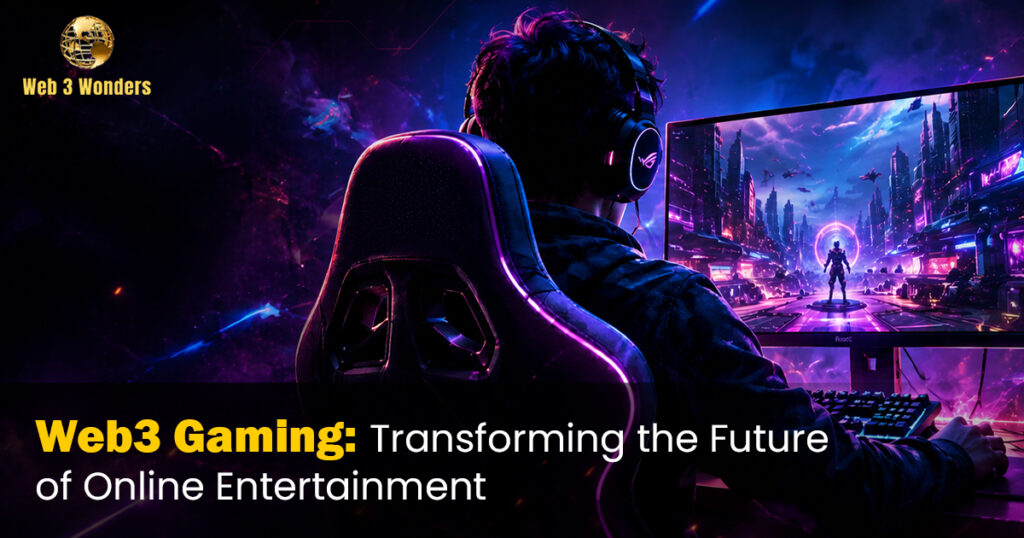
In 2026, the Web3 gaming landscape has undergone significant transformation. It highlights the growing connection between traditional mobile gaming and blockchain-powered technology. Web3 gaming continues to show strong resilience, innovation, and steady growth, creating new opportunities for players and developers alike.
In this blog post, we’ll explore the current state of Web3 gaming and the innovative solutions shaping the future of online entertainment.
What exactly Is Web3 Gaming?
Web3 gaming is transforming how video games are created and experienced by using decentralized blockchain technology. Unlike traditional gaming systems, it allows players to truly own in-game assets such as characters, weapons, and virtual land through NFTs and digital tokens.
With this model, assets are no longer restricted to a single platform or publisher. Players can buy, trade, sell, or even transfer eligible items across compatible games and marketplaces.
Why Is this Industry Growing?
The blockchain gaming sector has shown strong growth in recent years. Improved blockchain networks, lower transaction fees, and mobile-friendly platforms are making these games more accessible for everyday players. According to reports, millions of users are already interacting with blockchain-based games every month.
Game studios are also exploring faster networks like Polygon and Solana to create smoother gaming experiences with fewer delays and lower costs. This shift is helping developers attract players who expect the same performance as traditional online games.
Trends for 2026
Web3 gaming is evolving rapidly with new technologies, improved accessibility, and connected ecosystems shaping the future of online entertainment. This includes:
1. Interoperability Across Gaming Platforms
Interoperability is becoming one of the most important developments in Web3 gaming. Players may soon use the same digital assets, characters, and collectibles across multiple games and platforms. This creates larger connected gaming ecosystems with stronger virtual economies and improved user experiences. Blockchain use cases support secure ownership and smooth asset transfers, helping developers build more flexible and immersive gaming environments for global audiences.
2. Growth of Mobile Web3 Gaming
Mobile Web3 gaming is expected to grow significantly in 2026 as developers focus on accessibility and user-friendly gameplay. Many platforms are simplifying wallet connections, onboarding processes, and in-game transactions to attract mainstream players. Mobile-first experiences can remove technical barriers that previously limited adoption. As smartphones remain the primary gaming device for many users, mobile blockchain games could become a major part of the future gaming growth.
3. Community-Driven Governance Systems
Community governance is another major trend shaping the future of blockchain gaming. Decentralized systems allow players to participate in decisions regarding updates, tournaments, rewards, and future game features. This creates stronger engagement between developers and gaming communities while improving transparency. Players gain a greater sense of ownership within the ecosystem, encouraging long-term participation and helping developers create experiences that better reflect user interests and feedback.
4. AI & AR Infrastructure
Artificial intelligence and augmented reality are expected to improve immersion and personalization in Web3 gaming experiences. AI can create adaptive gameplay, smarter interactions, and customized recommendations. On the other hand, AR blends digital experiences with the real world. These innovations may help Web3 gaming become more scalable and globally accessible in the coming years.
End Note
The gaming world is entering a new digital era where players have more ownership, freedom, and earning potential. As innovation continues, Web3 Gaming could become a major part of mainstream entertainment.
If you want to learn more about Web 3 functionality, visit Web3Wonders, a trusted innovative site. Stay updated with our upcoming blog on such innovations in the gaming industry.