
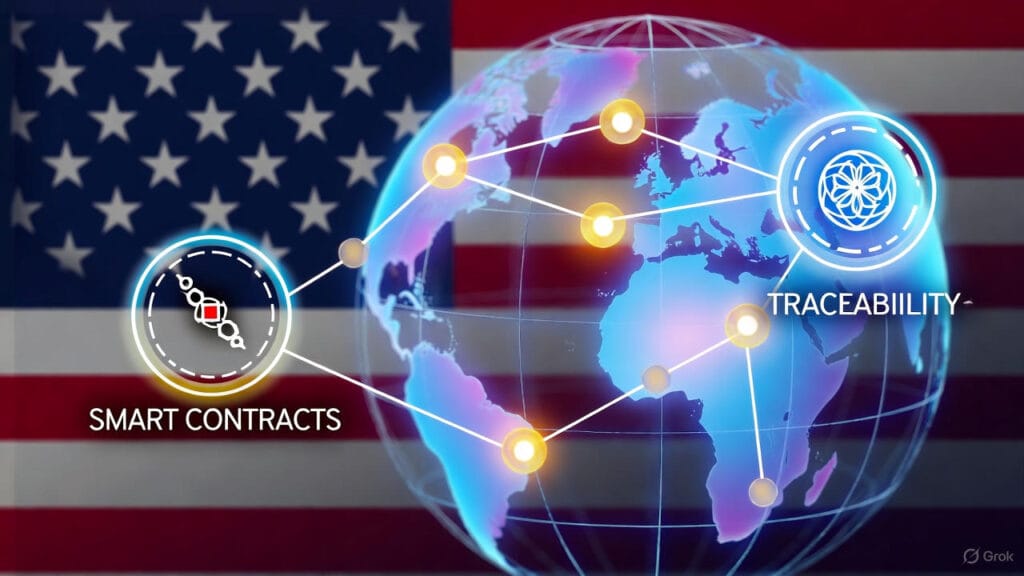
Blockchain Use Cases: Inspired by a local politician’s doubts, this blog explores why crypto matters for digital liberty.
Unlocking Digital Liberty: 100 Blockchain Use Cases for a Transparent Future
A local politician questioned crypto’s value. This spurred exploration of blockchain’s transformative potential. Understanding its capabilities matters for politicians and citizens. America, a republic with elected representatives, thrives on informed civic engagement (U.S. Constitution, Article IV, Section 4). We must know our representatives and reach out. Blockchain, including Web3, ensures transparency and security. It integrates with ERP systems. Thus, it streamlines federal and global operations. Moreover, it fosters digital liberty. As American and global citizens, we must advocate respectfully. Ensuring liberty is our responsibility to the republic. This blog details 100 use cases across five categories. These include global payment rails, real-world assets, smart contracts, traceability, and customer service. Furthermore, we outline KPIs, savings, usury laws, monopolies, permanence, and Web3’s synergy with Web2. Finally, we invite you to subscribe to our newsletter.
Global Payment Rails
Blockchain revolutionizes cross-border transactions. It reduces intermediaries. Thus, it enables faster, cheaper transfers. Additionally, it integrates with ERP systems. This ensures seamless operations.
Cross-Border Remittances and Aid
- Instant remittances cut fees from 7% to under 1%.
- Tokenized funds streamline disaster aid delivery.
- Central banks issue digital currencies for seamless settlements.
- Micro-payments support freelancers without conversion losses.
- Hybrid rails integrate with SWIFT for efficiency.
Trade Finance and Settlements
- Letters of credit process in hours, not days.
- Tokenized invoices enable real-time settlements.
- Ledgers reduce supply chain fraud significantly.
- Peer-to-peer swaps bypass traditional banking systems.
- Escrow services secure e-commerce transactions.
Government-to-Government Transactions
- Bilateral aid tracking simplifies international cooperation.
- Digitized customs duties enhance collection efficiency.
- IMF loans leverage blockchain for transparency.
- Tax refunds for travelers process instantly.
- Expatriate pensions streamline via secure rails.
Public Sector Payroll and Benefits
- Diplomats receive instant cross-border payments.
- Benefits reach refugees quickly and transparently.
- VAT refunds automate for traveler convenience.
- Stablecoins facilitate efficient grant distribution.
- Project payments integrate seamlessly with systems.
Real-World Assets (RWAs)
RWAs tokenize physical assets. They enable fractional ownership. Moreover, they connect to ERP for management. Thus, they boost liquidity.
Real Estate and Land Management
- Government land tokenizes for public investment.
- Title transfers streamline via digital registries.
- Bonds support housing projects efficiently.
- Verified investments facilitate public participation.
- Eminent domain compensation digitizes for fairness.
Commodities and Natural Resources
- Mineral rights tokenize for transparent trading.
- Carbon credits track for regulatory compliance.
- Oil reserves fractionalize for market access.
- Commodities digitize for efficient subsidies.
- Water rights management improves via blockchain.
Financial Instruments
- Tokenized bonds enhance public investment options.
- Treasury bills tokenize for broader participation.
- Infrastructure shares digitize for crowdfunding.
- Artifacts tokenize for cultural preservation funds.
- Pension funds leverage secure tokenized assets.
Public Utilities and Infrastructure
- Energy assets tokenize for sustainable farms.
- Transport infrastructure fractionalizes for upgrades.
- Licenses digitize for transparent auctions.
- Insurance-tied funds streamline via blockchain.
- Securities management improves with tokenization.
Smart Contracts
Smart contracts automate processes on blockchain. They ensure compliance. Moreover, they integrate with ERP systems. Thus, they enhance regulations.
Regulatory Compliance and Enforcement
- Tax filings automate with real-time audits.
- Regulations enforce via automated penalties.
- Procurement streamlines for transparent supplier selection.
- Voting digitizes for enhanced security.
- License renewals automate with compliance checks.
Social Services Automation
- Benefits distribute based on predefined criteria.
- Loan repayments automate for efficiency.
- Grants disburse based on milestone achievements.
- Support payments enforce via smart contracts.
- Benefits streamline with integrated data systems.
International Agreements
- Pacts automate with dynamic adjustments.
- Treaties enforce through transparent logs.
- Accords digitize for seamless transfers.
- Disbursements trigger on project progress.
- Processes automate with predefined triggers.
Internal Government Operations
- Employee deductions automate for accuracy.
- Transfers streamline with automated approvals.
- Spending caps enforce via smart contracts.
- Project agreements digitize for transparency.
- Audit trails automate for accountability.
Traceability
Traceability leverages immutable ledgers. It ensures integrity. Moreover, it integrates with ERP for supply chains. Thus, it promotes global accountability.
Supply Chain Management
- Pharmaceuticals track from production to patients.
- Food origins verify for safety assurance.
- Weapons monitor for non-proliferation compliance.
- Minerals trace ethically to prevent exploitation.
- Vaccines document for campaign transparency.
Environmental and Sustainability
- Deforestation tracks via transparent chains.
- Fishing quotas verify for sustainability.
- Wildlife trade monitors to combat poaching.
- Waste traces for circular economy support.
- Carbon credits document for funding.
Data and Identity Management
- Refugee identities secure via blockchain.
- Voter registration tracks for accuracy.
- Credentials verify in global markets.
- Data flows monitor in international pacts.
- Research rights trace for transparency.
Health and Safety
- Product recalls track globally for safety.
- Donation chains verify for accountability.
- Response supplies monitor for efficiency.
- Transplant logistics document transparently.
- Waste disposal traces internationally.
Customer Service
Blockchain enhances citizen engagement. It integrates AI chatbots. Moreover, it connects with ERP for support. Thus, it improves services.
Citizen Engagement Platforms
- Decentralized chatbots resolve tax queries instantly.
- Tokenized systems reward citizen feedback.
- Visa status tracks automatically via blockchain.
- Complaints file immutably for transparency.
- Calculators personalize through secure interfaces.
Public Service Delivery
- Applications streamline with automated verifications.
- Decentralized helplines coordinate relief efforts.
- Tokenized queues reduce citizen wait times.
- AI supports enrollment for efficiency.
- Project statuses track transparently for trust.
Global Citizen Services
- Passport renewals streamline via ledgers.
- Expatriate voting supports through blockchain.
- Tokenized rewards encourage civic participation.
- Translations automate for accessibility.
- Tourist alerts verify for safety.
Feedback and Improvement
- Immutable surveys assess service quality.
- Decentralized platforms protect whistleblower anonymity.
- AI optimizes response times for efficiency.
- Tokenized incentives encourage issue reporting.
- Efficiency benchmarks compare across nations.
Web3: Layering and Enhancing Web2
Web3 doesn’t replace Web2. Instead, it layers and enhances existing systems. Moreover, it partners seamlessly with Web2 infrastructure. This synergy drives efficiency. For instance, blockchain integrates with Web2 databases for traceability. Additionally, smart contracts enhance Web2 ERP systems. They automate compliance without overhauls. Furthermore, Web3’s decentralized networks complement Web2’s centralized platforms. This ensures smoother transitions. Citizens access familiar interfaces with added security. Politicians leverage existing systems with improved transparency. Thus, Web3 amplifies Web2’s capabilities. It fosters trust and innovation.
Key Performance Indicators (KPIs)
KPIs quantify blockchain’s impact. They justify investments. Moreover, they highlight citizen benefits. Additionally, they measure efficiency.
Efficiency KPIs
- Transaction speeds reduce processing by 90%.
- Error rates drop below 1% consistently.
- Adoption reaches 70% within years.
- System uptime ensures 99.9% availability.
Cost-Saving KPIs
- Operations save 30-50% in costs.
- Fraud reduction saves 40% annually.
- Citizen time savings average 2-5 hours.
- Energy efficiency tracks significant CO2 reductions.
These KPIs unlock billions in savings. For instance, payment rails save $100-200 billion. Additionally, RWAs unlock $1 trillion. Citizens benefit from lower fees. Thus, quality of life improves.
Addressing Usury Laws and Monopolies
Blockchain tackles financial challenges. It promotes decentralization. Moreover, it ensures transparency. This benefits both citizens and governments.
Usury Laws
- Transparent DeFi enforces interest rate caps.
- Smart contracts automate compliance with laws.
- P2P platforms reduce lending markups significantly.
- Rates drop 2-5% for borrowers.
- Violations decrease 50-70% globally.
Monopolies
- Decentralized networks counter centralized market control.
- DAOs enable open payment system access.
- Smart contracts enforce fair market rules.
- Price hikes reduce by 10-20%.
- Equal participation fosters competitive markets.
Blockchain’s Permanence Features
Blockchain ensures data durability. Its immutability is critical. Moreover, it provides security. This fosters trust globally.
- Immutability prevents unauthorized data alterations.
- Decentralized storage resists system failures.
- Treaties archive securely for permanence.
- Security guarantees data fidelity long-term.
Subscribe to Our Newsletter
Stay informed on blockchain’s transformative potential. Know your representatives and reach out to advocate for digital liberty. Subscribe to our newsletter for updates. Join us in shaping a transparent, secure future.
This blog highlights why blockchain matters. Politicians gain governance tools. Citizens enjoy transparency and savings. Web3 enhances Web2 seamlessly. Contact your representatives and subscribe today!
Gave jili666 a try and it’s not bad at all! Pretty fun stuff. Give it shot see what you think. See it here: jili666
Alright, been messing around on w88trangchu lately. Honestly, it’s pretty standard fare. If you’re already familiar with W88, this is a good way to access their main site. That is to say there is nothing novel here, really. Go check it out for yourself w88trangchu.
Dude, iwin68iwin is alright! Signed up last week and already seeing some action. Good vibes and easy to navigate. Check it out iwin68iwin.
Hey, gotta mention 68boss. I signed up, and it delivered pretty neat experiences. I was surprised by their customer service, actually helpful. Check it out: 68boss.
The bw777link is working fine. Everything looks solid. Find it here: bw777link.
N666bet… the name a bit scary, but the site actually quite user-friendly. Fast payouts (so far!) and the customer support is responsive. I like! Try your luck at n666bet.
Just had a decent win on 52bet9! Cashed out quickly, no hassle. Good looking out! Thanks to 52bet9.